martasoul.com
  • Home
  • art works
    • Hafsat and the horizon (2022)
    • Scenes of the surreal life (2021)
    • Minerva is not a Roman Goddess (2020 – 2021)
    • Tras las huellas de Corín (2018 -2020)
    • Ama y bebe (2015 – 2017)
    • Welljob (2014)
    • Together (2013)
    • Entreacto (2012)
    • Idilios (2010-2025)
    • Familia Games (2007-2024)
    • Boys & Cars (2007)
    • Wellhome (2006)
    • Chance of Love (2005)
    • Estética Doméstica (2003)
  • commisioned works
    • Flying Lovers (Fundación ENAIRE, 2025)
    • NIGERIA WORKSHOP WITH INSTAX CAMERA
    • El País Semanal
    • HOFMANN
    • La generación del 87
    • Samsung S8 Retrátate PHE17
    • Tapas Magazine 2016
    • Fashion & Art Magazine
    • Polaroid
    • Ojo de Pez
    • Tapas Magazine 2015
    • Matador
    • Coleccionistas (Collectors)
    • El País
    • Neskak Gora Project
    • Conde-Nast Traveller
    • Io Donna
  • Curated Projects
    • Un cambio de paradigma
    • Una Visión Propia
    • Akouédo
    • EN ESCENA EXHIBITION
    • Workshops Como ser Fotógrafa 2019
    • Transvisiones2015
    • GUATEPHOTO FESTIVAL 2015
    • HUÉSPEDES DEL PRESENTE
    • Lugares de Tránsito (LDT)
    • NOPHOTO (2005 – 2014)
  • Films
    • Invention Number 13
    • The Cinematic Couple
    • Scenes from a Marriage_Christmas version
    • Letter to Vladimir
    • Juegos de Sociedad
    • Ama y bebe
    • Boys&Cars
  • books
  • contact
  • bio
  • news

Hafsat and the horizon (2022)

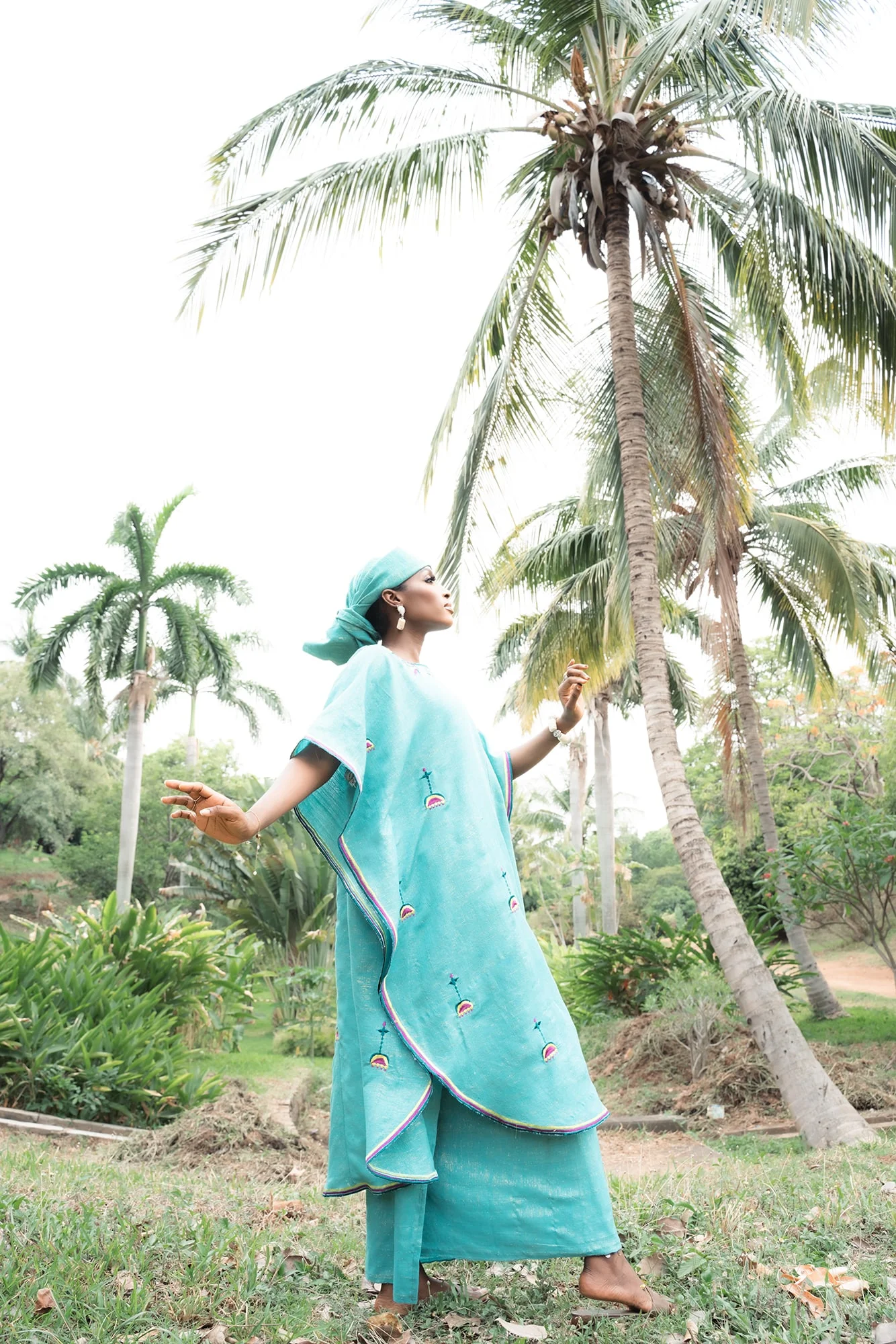
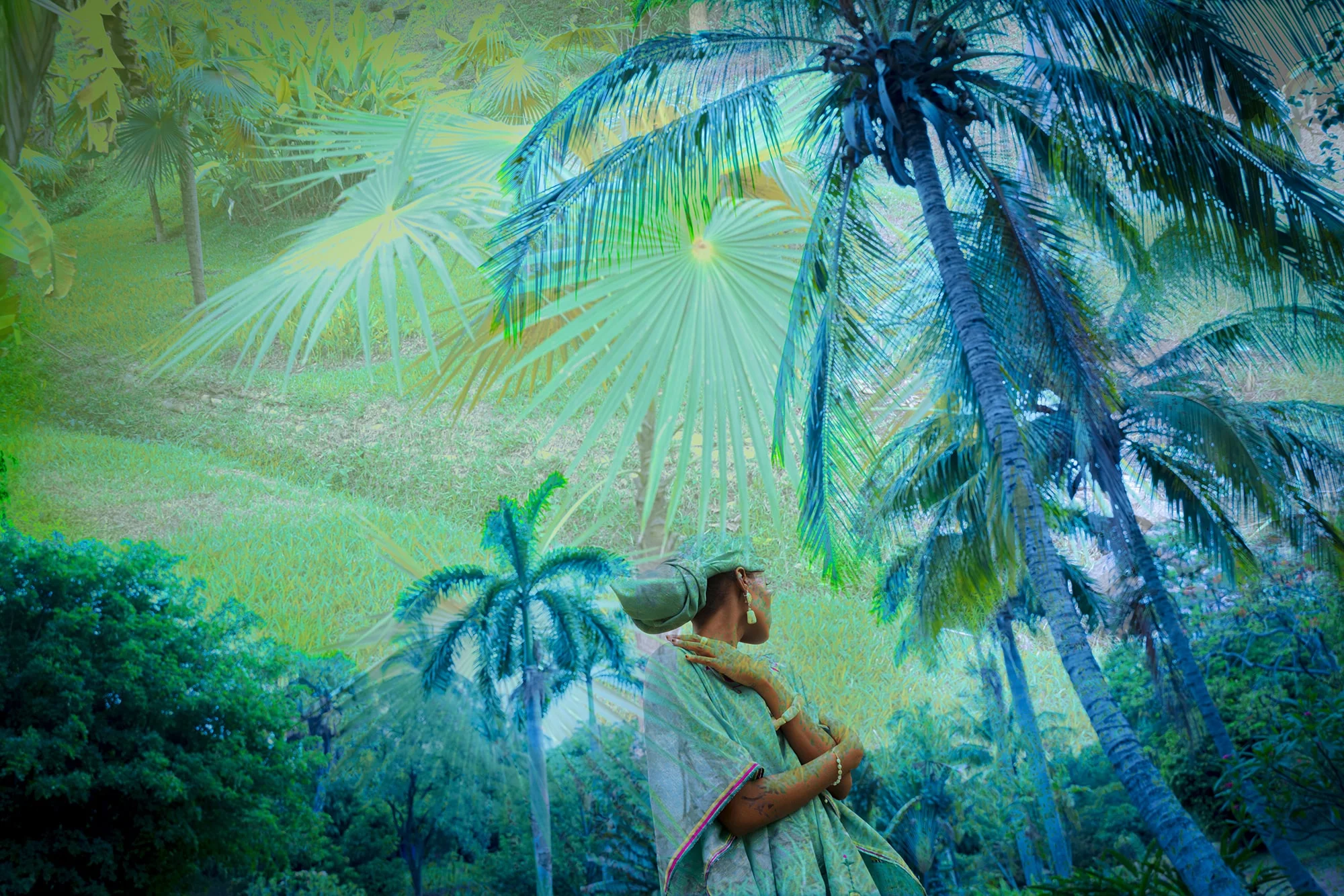
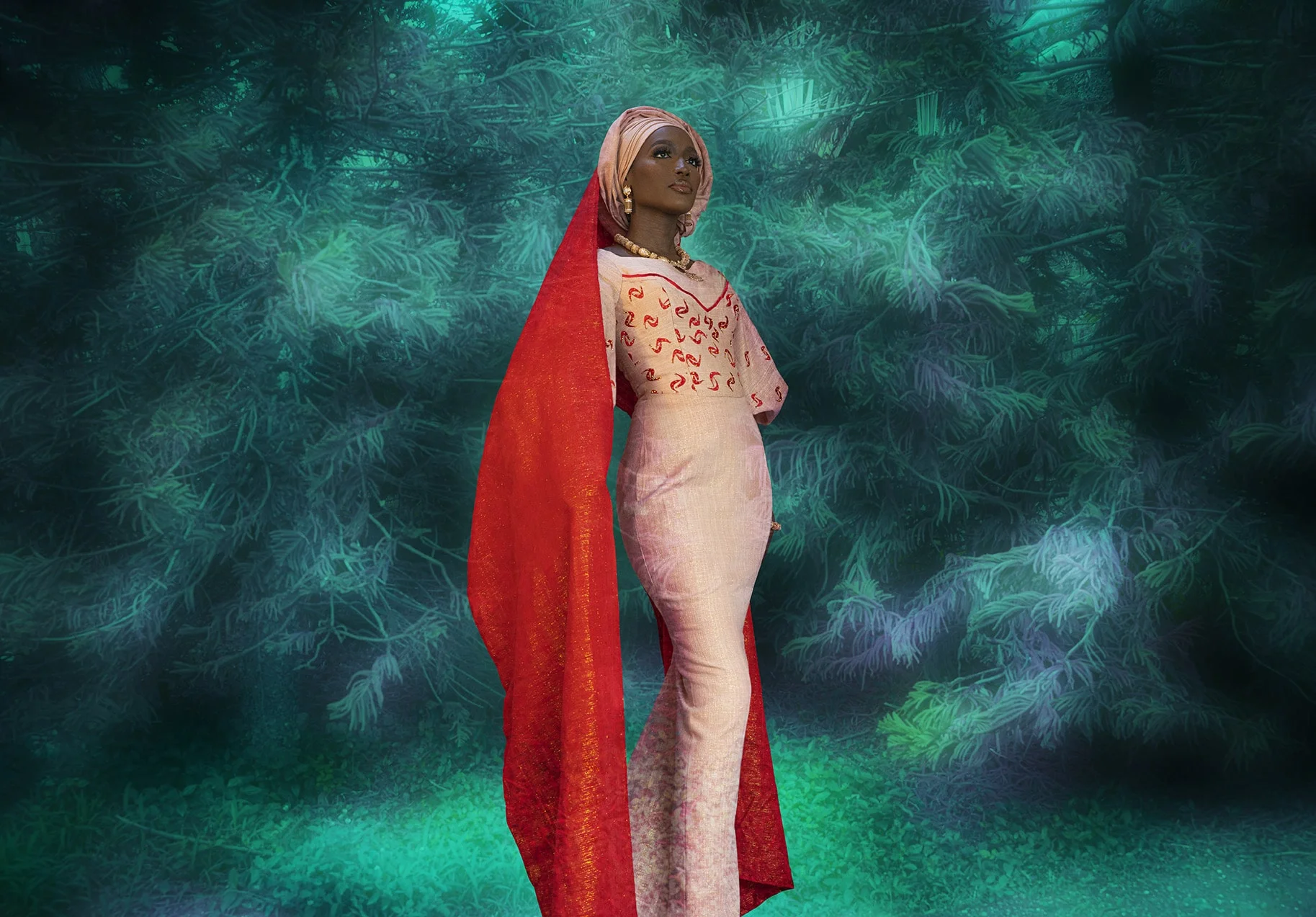
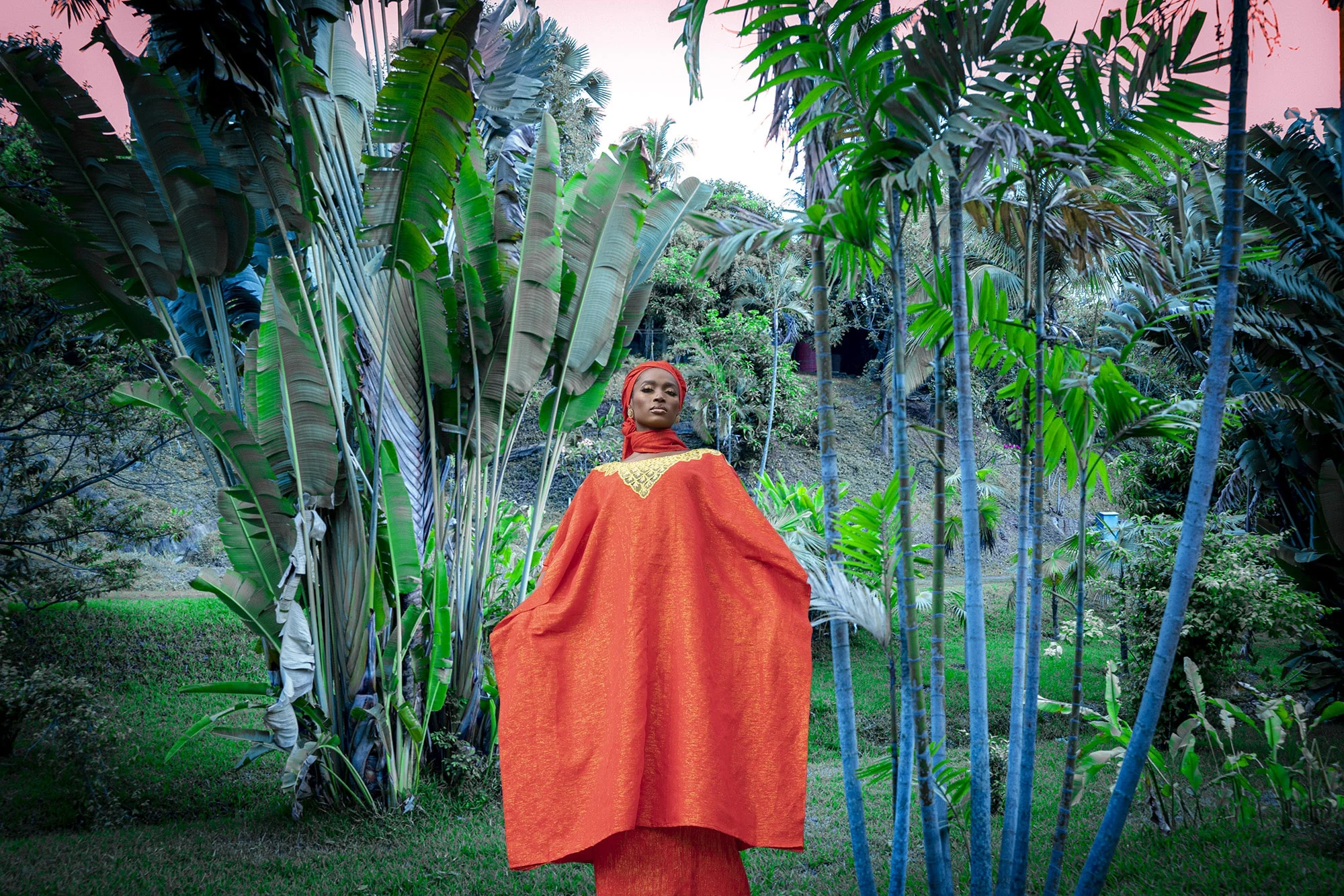
The horizon is the place where the earth seems to melt into the sky. When observed, it produces an ethereal impression that is intense and even melancholic. The land is barely visible. It is a light that becomes lost and, at the same time, evokes a beauty that seems to represent the beauty of the world in its entirety. 

During my first trip to Abuja, Nigeria, I experienced a feeling similar to wanting to see the horizon. I wished to reach the end of the visible, which I was not able to incorporate into my sight because of the vast distance that the place brought in for me. 

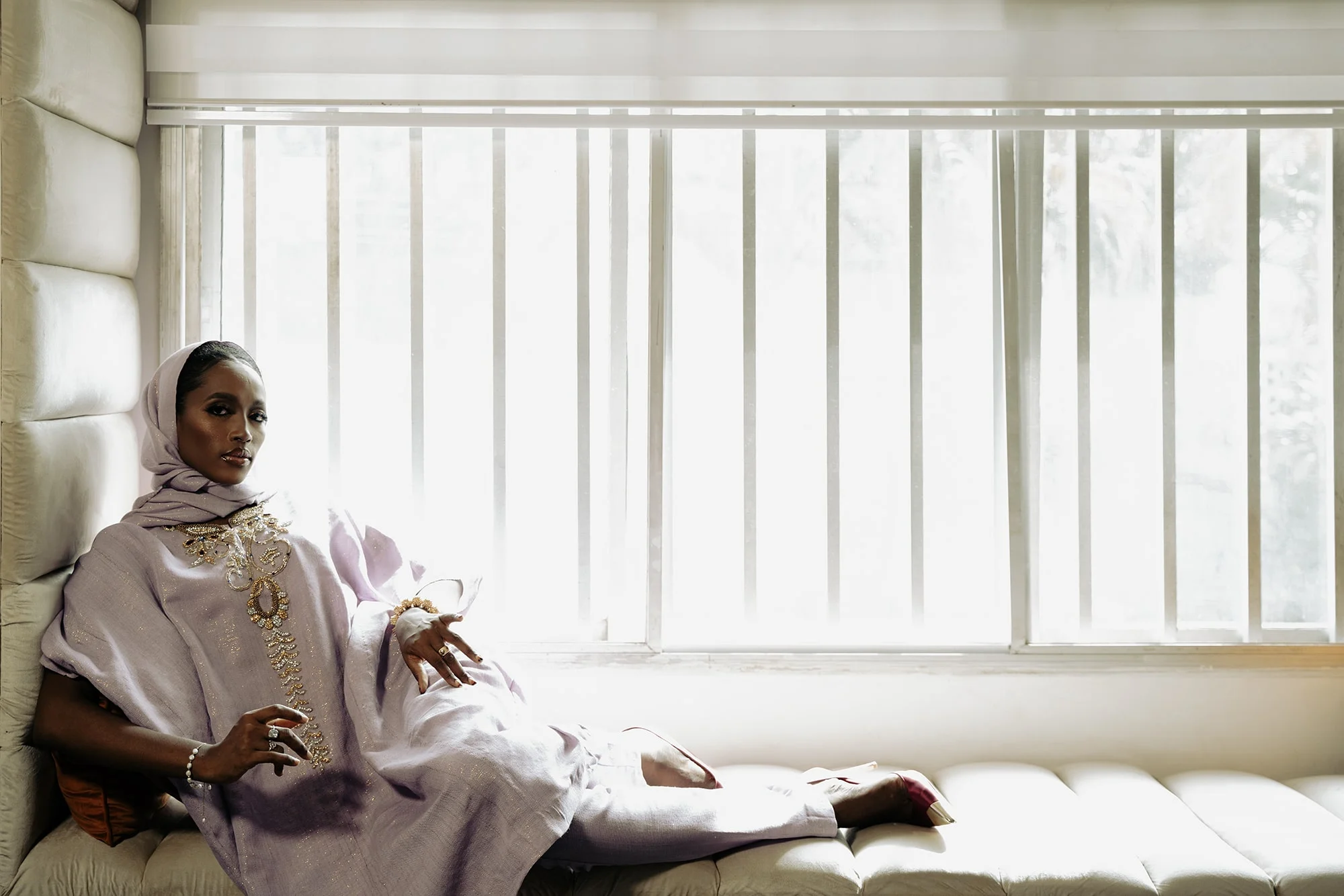
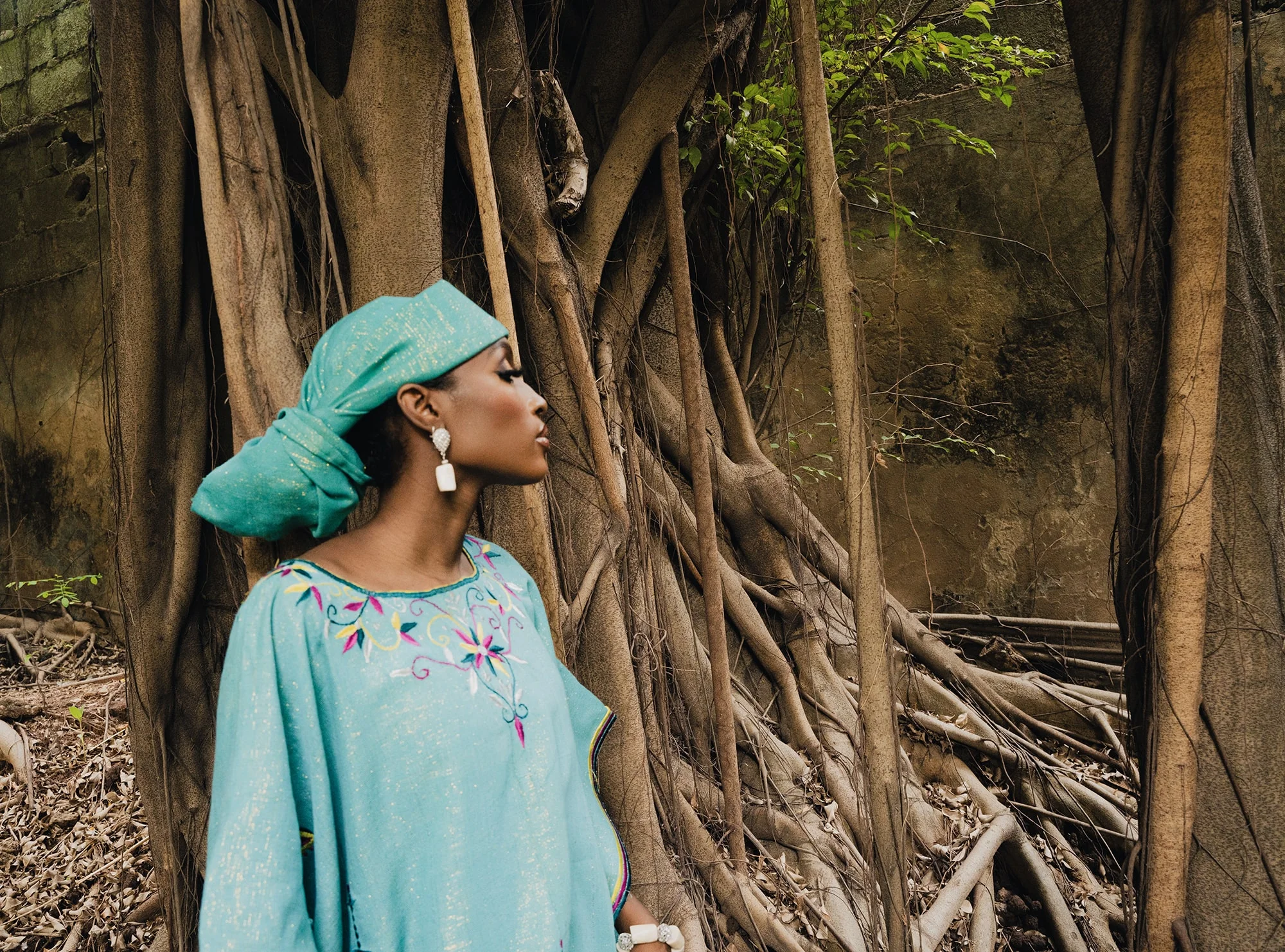
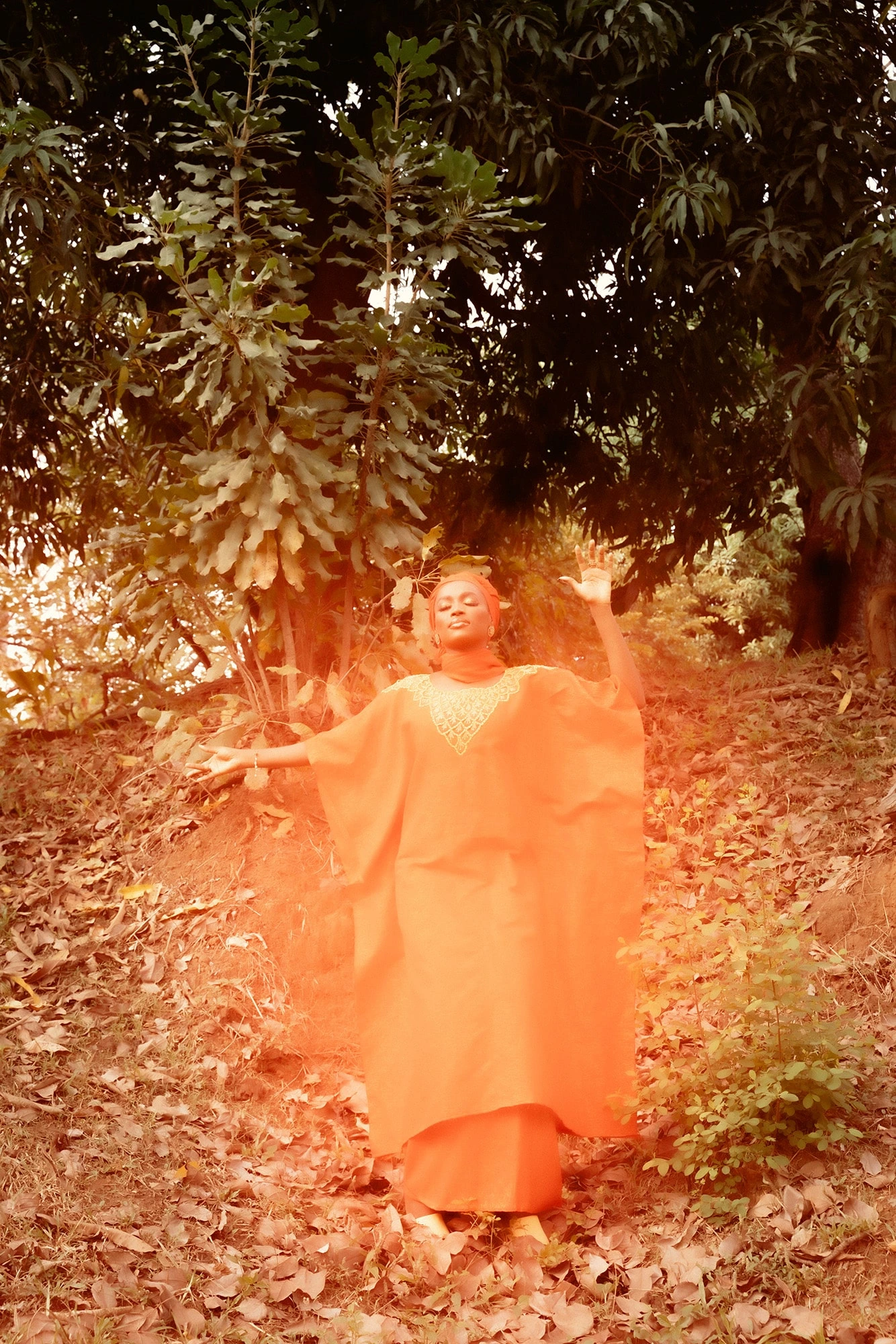
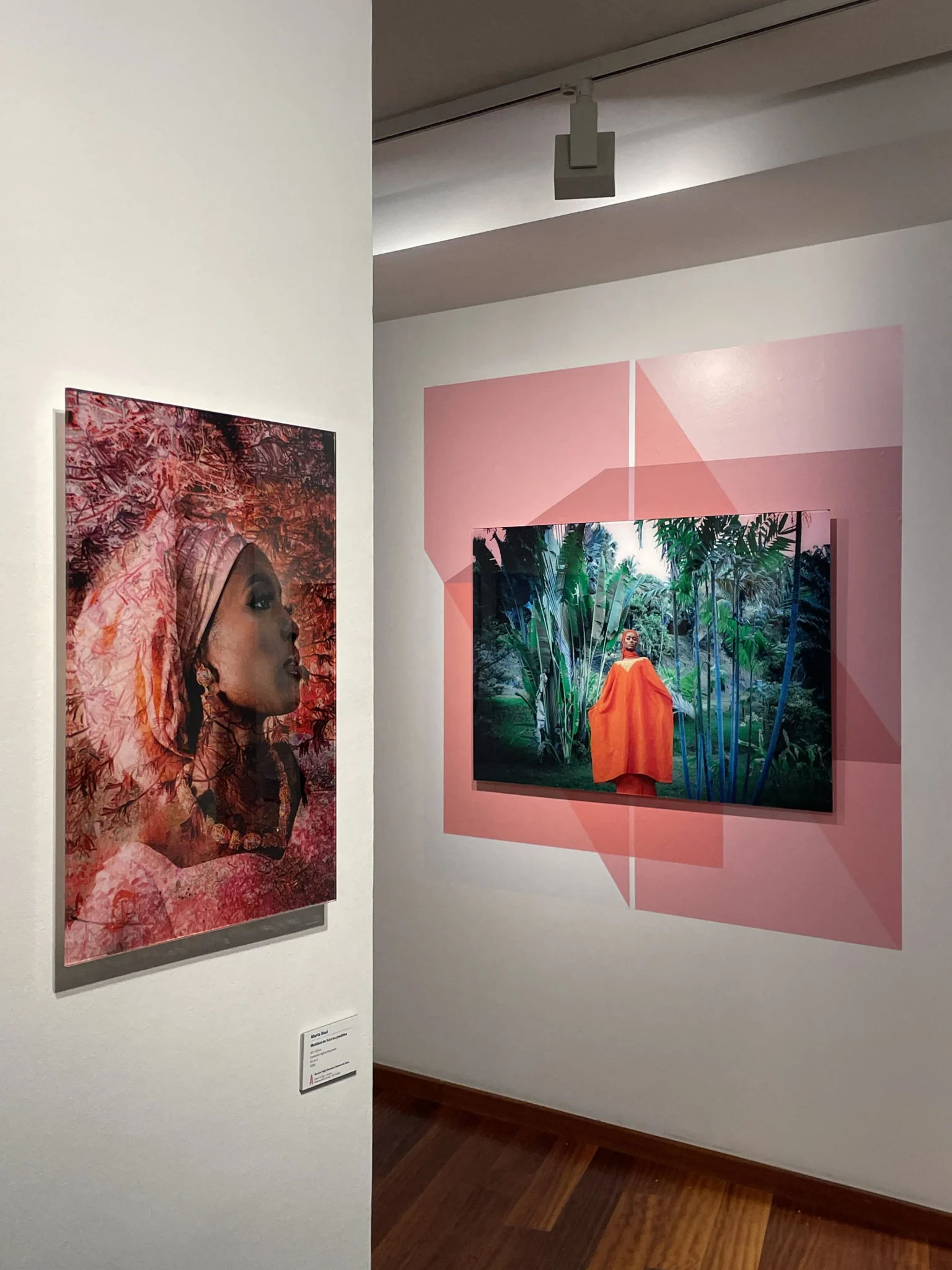
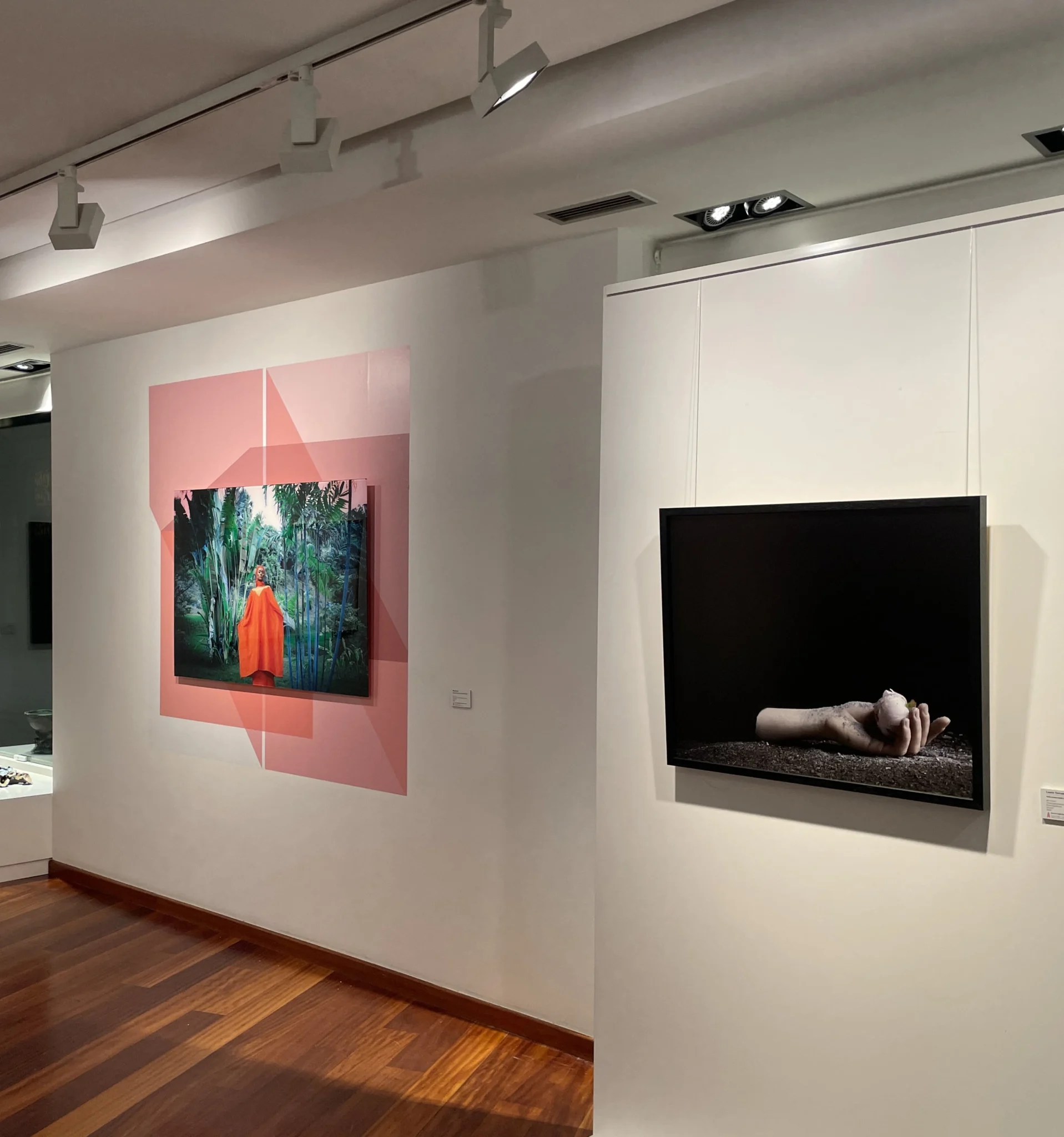
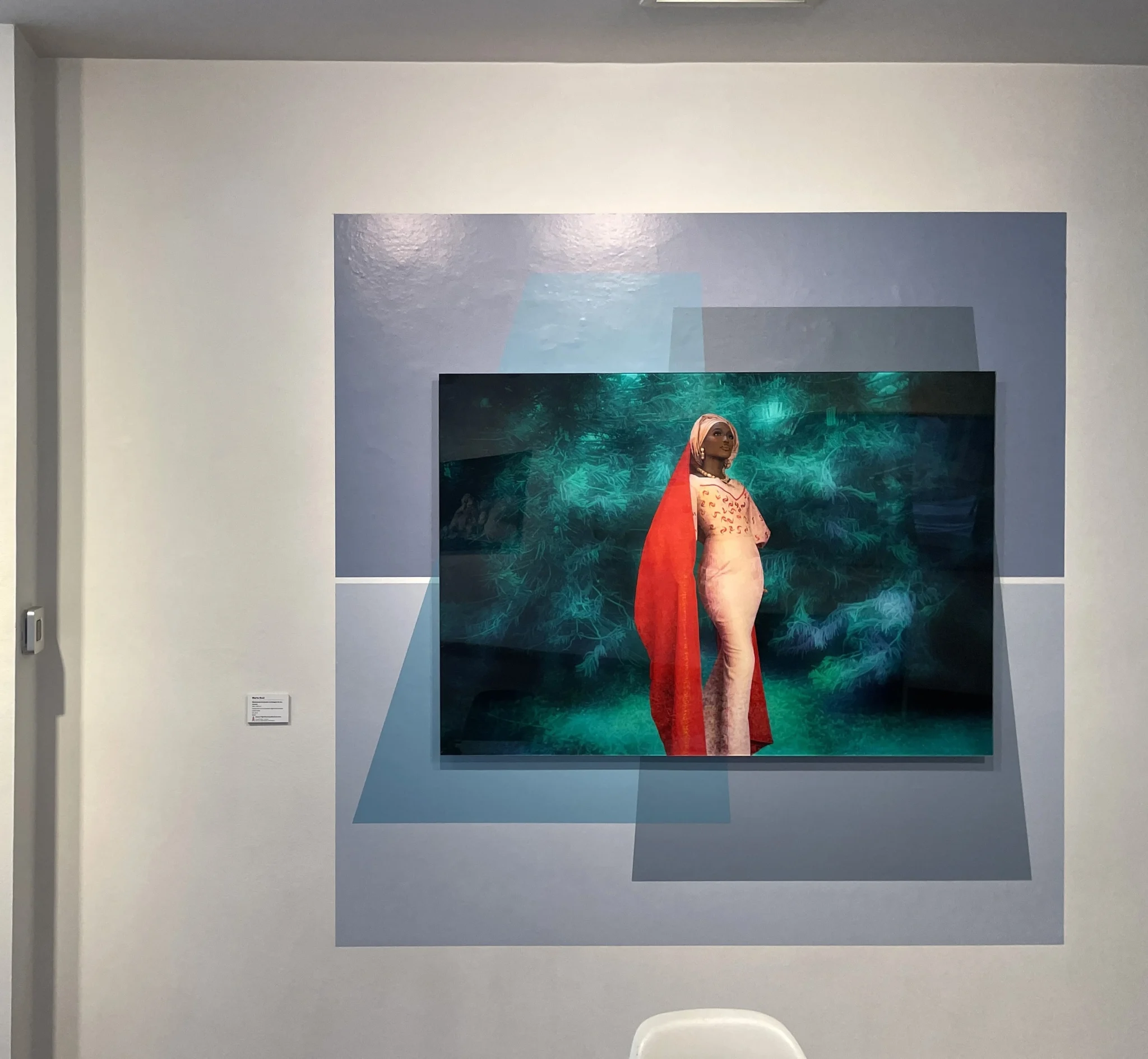
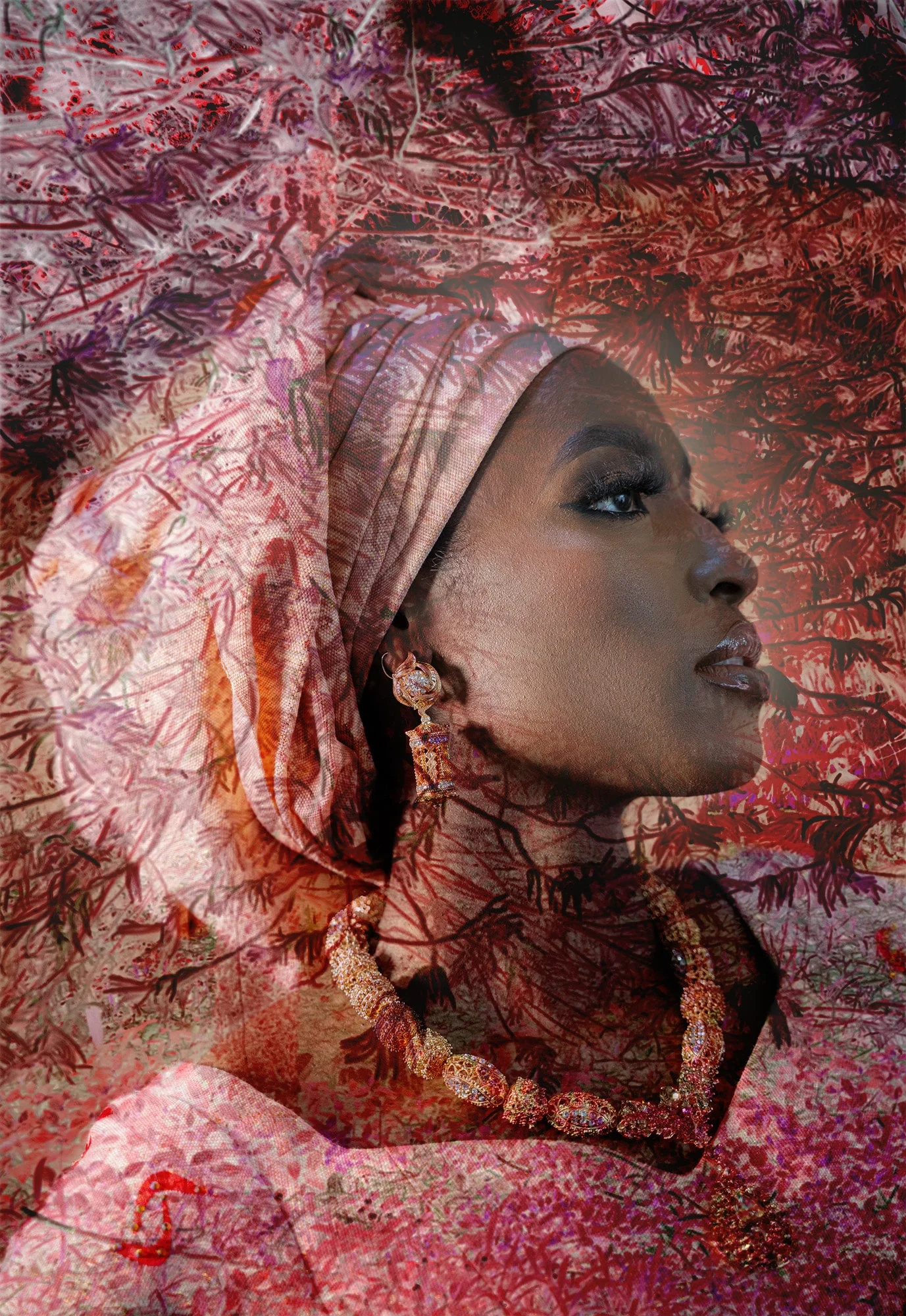
Hafsat is Zaynab’s sister. I visited her at home in Abuja. Meeting her was another one of the intense and limited situations I lived in during those days. Hafsat posed before my camera dressed in her own designs, and my imagination started to perceive her as a kind of African goddess. It was like sensing that something deep and unreachable was in front of me, similar to contemplating the horizon. 

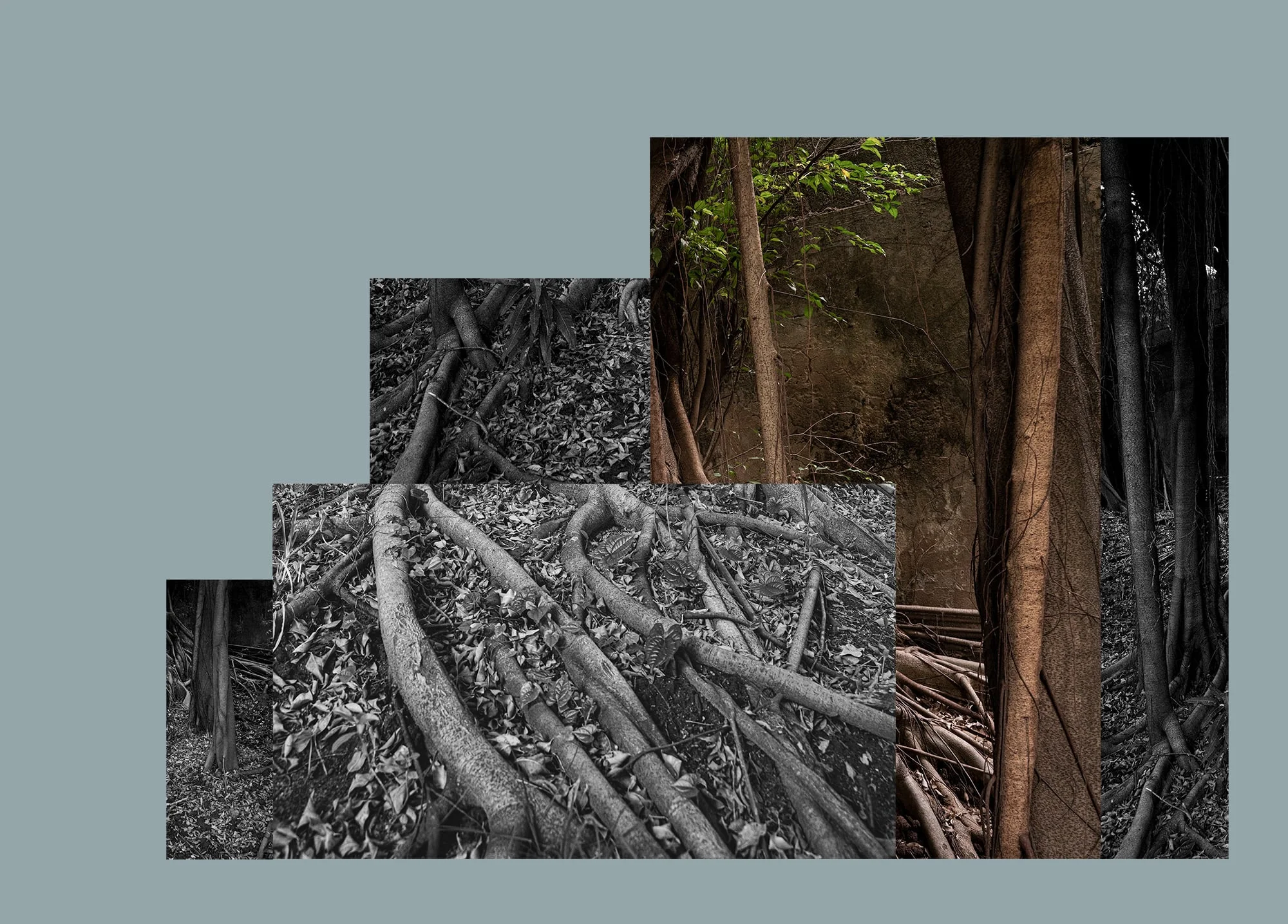
Portraying Hafsat was a reflection upon the commotion caused by the unknown, the colours of the emotions lived during those days, and the longing to reach borders and horizons that are continuously drawn during our lives. 


Use arrows for navigation